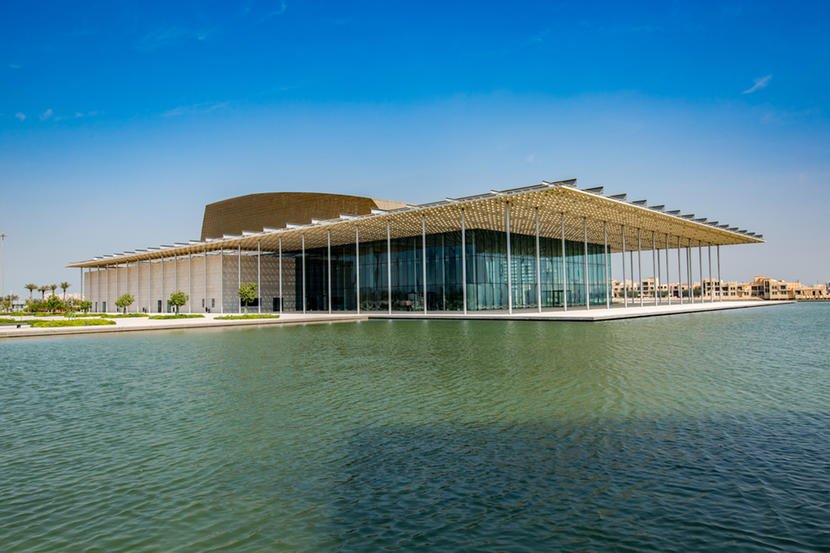
Manama, Bahrain
Bahrain's largest and oldest museum, tracing the island's history from prehistoric burial mounds through the Dilmun civilization to modern Bahraini life and traditions.
| Location | Sheikh Hamad Causeway, Manama |
| Opening hours | 8:00 AM – 8:00 PM (closed Tuesdays) |
| Entry fee | 1.100 BHD |
| Facilities | On-site cafe, gift shop, and a water taxi over to Bu Maher Fort |
The museum is built around a grand foyer connecting two halls. The Hall of Graves holds an actual 1900 BCE burial mound moved here from Saar, and the Dilmun Hall traces the seals, pottery, and trade networks of the Dilmun civilization back to 2000 BCE. The Tylos & Islamic Era halls continue the story through Hellenistic influence and Bahrain's early Islamic heritage.
Upstairs, the Customs & Traditions galleries use life-sized dioramas to show pearl diving, traditional weddings, and pre-oil daily life, alongside a Documents & Manuscripts hall of rare Qurans and royal decrees, and a Natural History hall covering Bahrain's flora, fauna, and coastline. Outside, a sculpture park and waterfront promenade lead down to the boat dock for Bu Maher Fort.
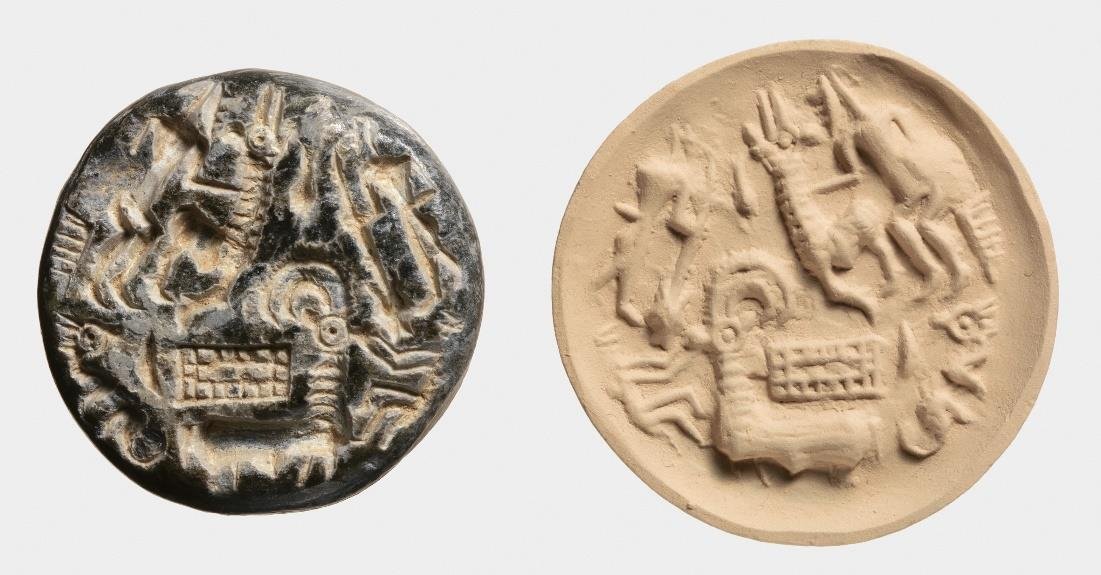
Circular stone seals carved with animals and human figures, pressed into clay to sign and guarantee Bronze Age trade shipments passing through Dilmun.
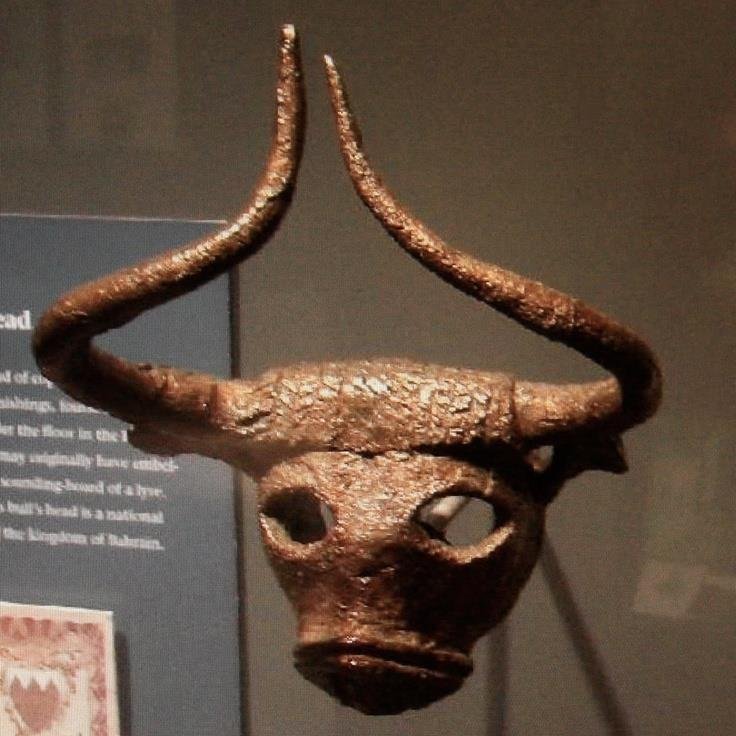
A cast-copper bull's head that once adorned a ceremonial lyre at the Barbar Temple, dedicated to Enki, the Sumerian god of fresh water and wisdom.
A fully restored 1932 Buick once gifted to Sheikh Isa bin Salman Al Khalifa sits on display, roaring engine and all.
The museum owns a full-scale tableau of the Epic of Gilgamesh — the world's oldest known story — depicting his journey to Dilmun in search of eternal life.
Traditional wooden dhows on display include the Baghla, Jalboot, and Boom — the three main boat types once built by hand on Bahrain's coast.
The Durand Stone, a black basalt slab carved with cuneiform, is one of the oldest inscribed objects ever found in Bahrain, dating to the Babylonian period.